

I got my first cell phone the day after 9/11. It was my first day of work as a reporter at a national education publication, and I was on my way to New York City.
“Take this,” the managing editor said, tossing me a black mobile phone. “Check in with us twice a day. Keep it charged. And keep your bags packed.”
I got a seat on the first train resuming service from Washington to New York. Security was high: Bomb-sniffing dogs inspected the train and black-uniformed police officers guarded every train car. No one spoke. Halfway through the 3 1/2-hour trip, the shrill buzz of a cell phone pierced the silence.
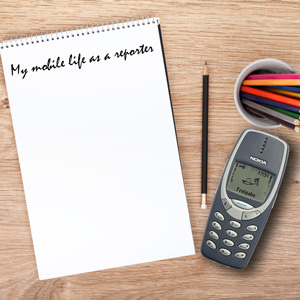
The phone rang again. And again. Then I realized it was mine. My first cell-phone call. It was a New York City school administrator, her voice high and strangled.
“Don’t come here,” she said. “None of us can speak to you. It’s chaos.”
I don’t remember what I said in reply. But I went to New York, anyway. As I strode through the streets of lower Manhattan, the air smelling like burned plastic from the black hole where the World Trade Center once stood, that cell phone connected me to students, city leaders, and other sources. I got my story.
My First Nokia phone
Soon after, I bought my first personal cell phone: a Nokia 3360. I used the gray candy-bar phone primarily as a work tool, an extension of my office phone. I didn’t text nor did I play games on it. But that was fine. I appreciated the phone’s no-nonsense utility. It was part of my go-to kit as a reporter, along with a notebook, a clutch of ballpoint pens and a microcassette recorder (remember those?).
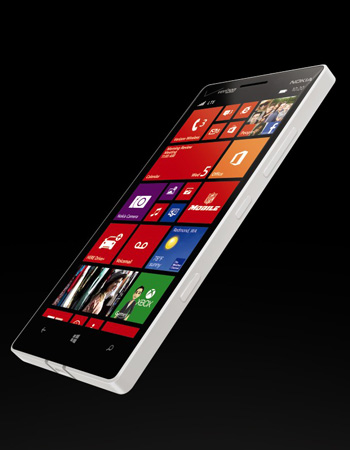
Cut to today. I’ve had many cellphones over the years. Like many of you, mine evolved from a simple monochromatic speak-and-text mobile to a technicolor touch-screen smartphone.
Now, with my brand-new Nokia Lumia Icon, I have the best technology yet. I’ll depend on the friendly user interface and many apps to keep me on track, whether that’s completing daily tasks, logging my weekly running mileage, navigating San Francisco’s crazy traffic, or even helping me become a better musician.
I’ll use the Lumia Icon’s peerless camera and audio-recorder and fantastic apps to capture road trips, blazing sunsets, impromptu music concerts, and other memories. And of course, I’ll use the Nokia Icon to make and receive important phone calls — but hopefully never in similar circumstances to the one I found myself in September, 2001.
Tell me: Which Windows apps should I have on my Lumia Icon? What are your favorite ones, and why?
My name is Rhea, and I’m the new deputy editor for Conversations. I started at the beginning of a new era for the Nokia Devices and Services line. Now that we’re part of the Microsoft family, even more great things are in store for smartphone technology. I look forward to continuing this journey with you.